Sports Recovery Massage: When Should You Book After Training?
By RAD RecoveryPublished
The short answer
Sports recovery massage may reduce perceived soreness and tension after training, but there is no ideal booking window for everyone. Match treatment intensity to your symptoms, and keep sleep, nutrition and sensible training at the centre of recovery.
What Is Sports Recovery Massage?
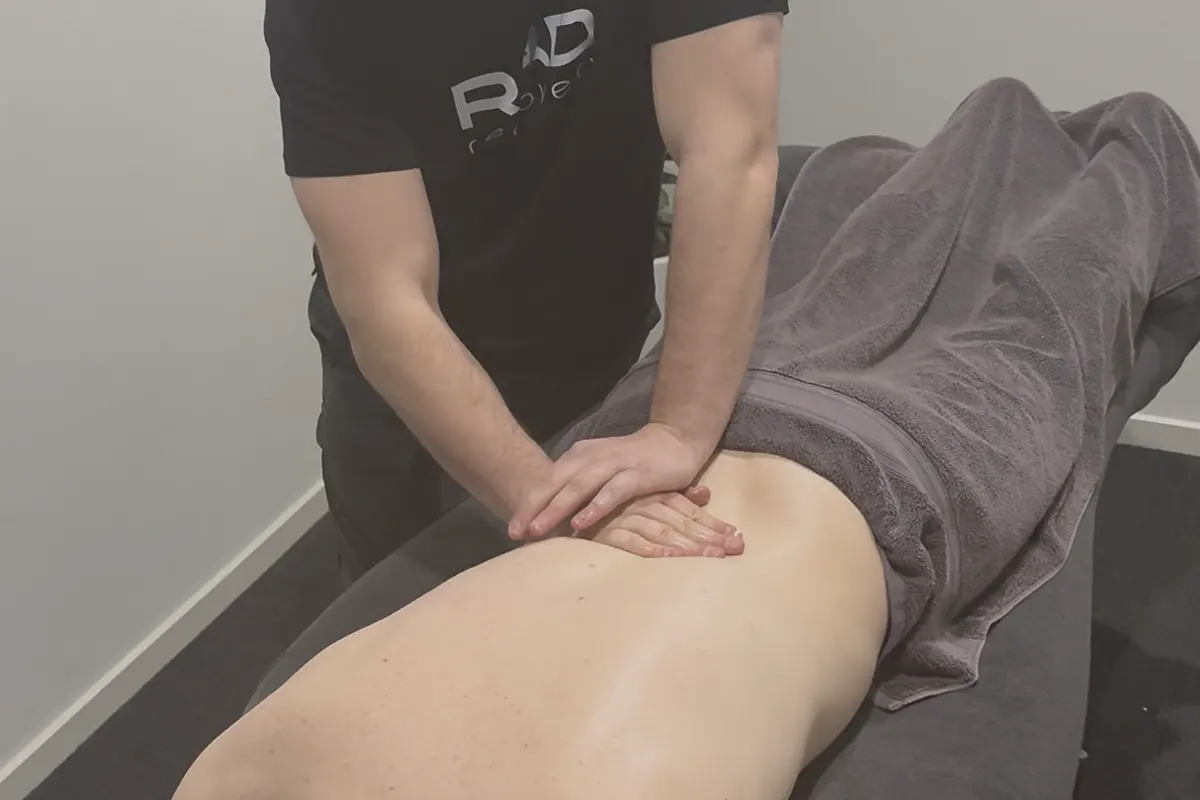
Sports recovery massage is a form of soft tissue treatment designed to help manage muscular discomfort associated with exercise and physical activity.
Depending on your needs, treatment may involve remedial massage techniques, targeted pressure, gentle stretching and other hands-on approaches.
Unlike a relaxation massage, sports recovery treatments can focus on specific muscle groups affected by training.
Potential benefits include:
- Short-term relief from muscular soreness
- Reduced feelings of muscle tightness
- Improved relaxation and comfort
- Support for comfortable movement
- An opportunity to discuss recovery concerns with a therapist
Massage may help reduce perceived soreness, but evidence that it significantly accelerates muscle repair or improves athletic performance is limited.
When Should You Book a Sports Recovery Massage?
The ideal timing depends on your training intensity, symptoms and recovery goals.
Immediately After Training
Following an intense workout, your muscles may feel fatigued or sensitive.
Gentle massage may be comfortable for some people, but aggressive deep tissue treatment immediately after strenuous exercise may increase discomfort.
Prioritise hydration, nutrition, rest and gentle movement after training.
24–48 Hours After Training
Delayed onset muscle soreness (DOMS) often develops within 12–24 hours of unfamiliar or demanding exercise and may be most noticeable around 24–72 hours afterwards.
During this period, a gentle sports recovery massage may help some people manage soreness and muscle tension.
Treatment intensity should be adjusted to your comfort level, particularly when muscles are tender.
48–72 Hours After Training
For many people, soreness may still be present two or three days after a demanding session.
If you're experiencing muscular tightness or discomfort, this can be a reasonable time to consider massage.
However, there is no universally ideal booking window. Your symptoms, training schedule and personal preferences are more important than following a strict timeframe.
Should You Get a Sports Massage Before an Event?
If you're preparing for a running race, sporting competition or important gym session, consider the timing and intensity of your treatment.
A gentle massage may help you feel relaxed and comfortable before an event.
However, unfamiliar or intensive deep tissue treatment shortly before competition may leave muscles temporarily sore.
If you regularly receive sports massage, discuss your event schedule with your therapist so treatment can be planned appropriately.
Sports Recovery Massage for Runners
Running places repeated demands on the muscles of the legs, hips and lower back.
Runners may seek massage for:
- Calf muscle tightness
- Quadriceps and hamstring soreness
- Hip and gluteal tension
- General muscular fatigue
- Stiffness following longer training sessions
Massage may help manage muscular discomfort, but persistent or worsening running-related pain should be assessed rather than treated as ordinary post-exercise soreness.
Sports Recovery Massage for Gym Members
Strength training, high-intensity workouts and unfamiliar exercises can contribute to temporary muscle soreness.
Gym members may experience tightness through their shoulders, back, legs and hips after demanding sessions.
Targeted remedial massage may help manage muscular tension and improve comfort between workouts.
For recurring discomfort or movement restrictions, myotherapy may also be worth considering.
What Else Helps With Post-Workout Recovery?
Sports massage is only one part of an effective recovery routine.
Other important recovery strategies include:
Adequate sleep: Consistent, good-quality sleep supports normal physical recovery.
Balanced nutrition: Consuming sufficient energy and protein helps support muscle repair and adaptation.
Hydration: Replacing fluids lost through exercise supports normal bodily function.
Active recovery: Gentle walking, cycling or mobility exercises may help you feel less stiff.
Training management: Gradually increasing exercise intensity and allowing appropriate recovery between demanding sessions can reduce unnecessary overload.
Massage works best as a complementary recovery strategy rather than a replacement for these fundamentals.
When Should You Seek an Assessment?
Not every post-workout ache is normal muscle soreness.
Consider professional assessment if you experience persistent pain, significant movement restrictions, recurring discomfort or symptoms that worsen with activity.
Seek urgent medical attention for severe muscle pain accompanied by marked swelling, weakness or dark urine, particularly after intense exercise. These can be signs of a serious condition requiring prompt assessment.
A qualified healthcare professional can help determine whether your symptoms are consistent with routine muscular soreness or require further investigation.
Treatment options at RAD Recovery in Lilydale
Our remedial massage appointments can be tailored to training-related muscle tension. For recurring symptoms, explore myotherapy assessment and meet our treatment team.
FAQs
Is sports recovery massage good after a workout?
It may help reduce perceived muscle soreness and tension, although results vary. It should complement adequate rest, nutrition and appropriate training management.
How soon after training can I get a massage?
Gentle massage may be appropriate soon after training for some people. Following particularly intense exercise, allowing 24–48 hours before more targeted treatment may be more comfortable, but there is no fixed rule.
How often should athletes book sports massage?
There is no universal schedule. Frequency depends on your training demands, symptoms, preferences and response to treatment.