Runner’s Recovery Guide: Managing Tight Calves, Hamstrings and Hips
By RAD RecoveryPublished
The short answer
Runners can manage muscle tightness with gradual training changes, adequate recovery and appropriate strengthening. Massage may ease perceived soreness, but persistent, localised or worsening pain should be assessed rather than treated as ordinary tightness.
Why Do Runners Experience Muscle Tightness?
Running involves repeated loading of the calves, hamstrings, glutes and hip muscles.
Several factors may contribute to feelings of tightness or discomfort.
Increasing Training Load Too Quickly
Sudden increases in running distance, speed, hill training or frequency can place greater demands on muscles and tendons.
Gradually increasing your training load gives your body time to adapt.
Insufficient Recovery
Limited sleep, inadequate nutrition and repeated demanding sessions without sufficient recovery may contribute to fatigue and soreness.
Changes in Running Terrain
Hills, uneven trails and harder running surfaces can change the demands placed on different muscle groups.
Runners exploring the Yarra Valley's varied terrain may notice muscular soreness after unfamiliar routes.
Tight Calves After Running
Your calf muscles play an important role in absorbing and producing force during running.
Tight calves may occur after hill sessions, faster workouts or increased running distances.
What may help?
- Reduce training intensity temporarily if symptoms are uncomfortable.
- Try gentle calf mobility exercises.
- Include progressive calf-strengthening exercises.
- Allow adequate recovery between demanding sessions.
- Consider targeted massage for muscular tension.
Persistent or localised calf pain, particularly around the Achilles tendon, should be assessed rather than repeatedly massaged.
Tight Hamstrings After Running
The hamstrings assist with hip movement and knee control throughout the running cycle.
Runners may notice hamstring soreness after sprinting, hill training or unfamiliar workouts.
Gentle movement, suitable strengthening and gradual training progression may help manage symptoms.
Remedial massage may provide temporary relief from muscular discomfort.
However, sudden sharp pain, bruising or weakness may indicate an injury requiring professional assessment.
Hip Tightness and Running
The muscles surrounding your hips help stabilise your pelvis and control movement while running.
Some runners experience stiffness through their hip flexors, glutes or outer hip region.
Potential contributing factors include training changes, muscle fatigue and individual movement patterns.
Helpful strategies may include:
- Gentle hip mobility exercises
- Progressive gluteal and hip strengthening
- Reviewing training intensity
- Taking recovery days when needed
- Seeking assessment for persistent discomfort
Hip pain is not always caused by tight muscles. Joint and tendon conditions can produce similar symptoms.
Can Massage Help Runners Recover?
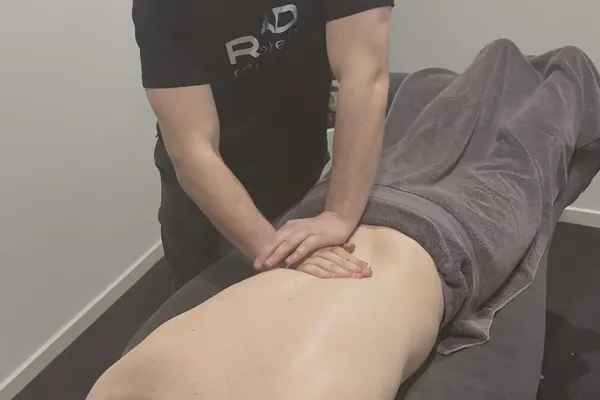
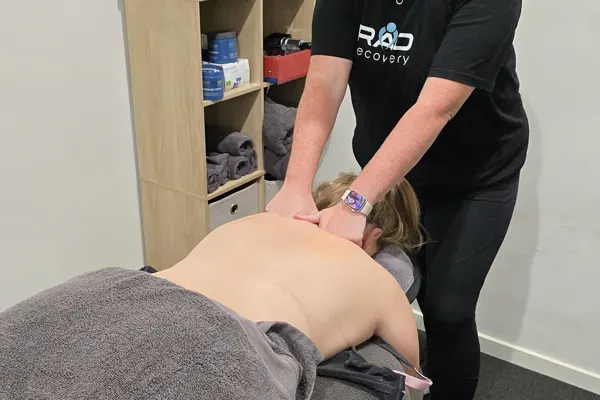
Massage for runners may help manage muscular soreness, tension and feelings of stiffness following training.
Targeted soft tissue techniques can be adapted to the muscles most affected by your running routine.
Potential benefits include short-term reductions in perceived soreness and improved relaxation.
However, massage has not been consistently shown to accelerate muscle repair or improve running performance.
For recurring discomfort or movement restrictions, myotherapy may provide a broader assessment and treatment approach.
Five Recovery Habits Every Runner Should Consider
1. Manage Your Training Load
Increase distance and intensity gradually. Avoid making multiple major training changes simultaneously.
2. Prioritise Sleep
Consistent, adequate sleep supports recovery and adaptation following physical activity.
3. Eat Enough to Support Training
Adequate energy, protein and carbohydrates help support muscle recovery and ongoing training demands.
4. Include Strength Training
Progressive strengthening of the calves, hamstrings, hips and other relevant muscle groups can improve physical capacity.
5. Listen to Persistent Symptoms
Temporary soreness is common, but pain that worsens, changes your running pattern or repeatedly returns deserves assessment.
When Should Runners Seek Professional Assessment?
Consider professional advice if you experience:
- Pain that persists or worsens between runs
- Localised tendon or joint pain
- Repeated discomfort in the same area
- Noticeable weakness or restricted movement
- Pain that changes your running technique
Seek urgent medical assessment for sudden severe pain, inability to bear weight, or a swollen, red or unusually warm calf. These symptoms may indicate conditions requiring prompt medical care.
A qualified healthcare professional can help determine whether symptoms are related to muscular overload or another condition.
Treatment options at RAD Recovery in Lilydale
RAD Recovery offers myotherapy assessment for muscular complaints and remedial massage in Lilydale. See our service areas for communities welcomed at the Lilydale clinic.
FAQs
Is massage good for runners with tight calves?
Massage may help reduce feelings of muscular tightness and soreness. Persistent calf pain should be assessed to exclude tendon injuries or other causes.
Should runners get massage before or after running?
Gentle massage may be comfortable before or after running. Avoid unfamiliar, intensive treatment immediately before an important race or demanding training session.
Can myotherapy help with running-related discomfort?
Myotherapy may help assess and manage certain muscular complaints and movement restrictions. Treatment suitability depends on your symptoms and clinical assessment.