Remedial Massage for Neck and Shoulder Pain: What Can Help?
By RAD RecoveryPublished
The short answer
Remedial massage may provide short-term relief when muscular tension contributes to neck and shoulder pain. It cannot treat every cause of pain; persistent symptoms and warning signs need appropriate medical assessment.
What Causes Neck and Shoulder Pain?
Neck and shoulder discomfort can develop for several reasons, and understanding potential contributors is an important part of managing symptoms.
Prolonged Sitting and Desk Work
Spending hours in the same position can contribute to muscular fatigue and stiffness. Poorly positioned screens, unsupported arms and limited movement throughout the day may increase discomfort.
Repetitive Movements
Regular computer use, lifting, driving or repetitive workplace tasks can place ongoing demands on the muscles surrounding your neck and shoulders.
Stress and Muscle Tension
Stress can contribute to increased muscle tension, particularly around the upper trapezius muscles, neck and shoulders.
Physical Activity and Exercise
Gym training, sports and physically demanding work may also contribute to temporary muscle soreness or tightness.
However, not all neck and shoulder pain is muscular. Joint conditions, nerve irritation and other medical problems can produce similar symptoms.
Can Remedial Massage Help Neck and Shoulder Pain?
Remedial massage may help manage muscular tension, stiffness and certain types of neck and shoulder discomfort.
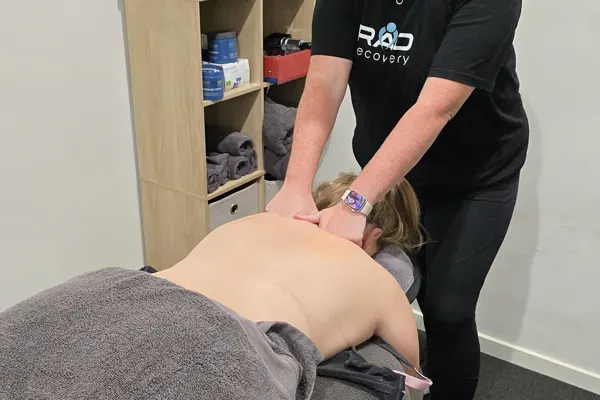
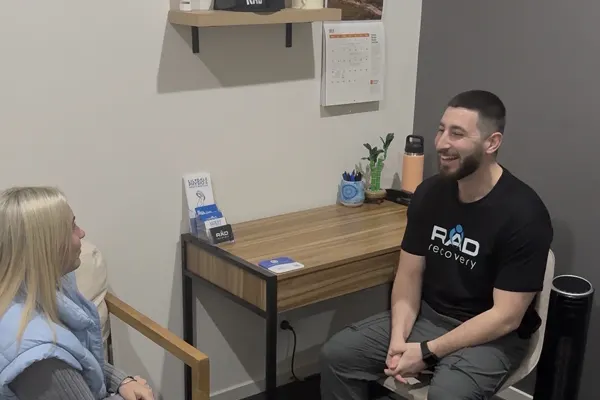
Unlike a general relaxation massage, remedial massage involves an assessment of your symptoms followed by targeted soft tissue treatment.
Potential benefits include:
- Short-term relief from muscular tension and discomfort
- Improved comfort during everyday movement
- Reduced feelings of muscle tightness
- Support for relaxation and recovery
- Greater awareness of movement and activity habits
Treatment results vary, and massage does not address every possible cause of neck or shoulder pain.
Remedial Massage Techniques for Neck and Shoulder Tension
At RAD Recovery, treatment is tailored to your individual symptoms, preferences and physical assessment.
Deep Tissue Techniques
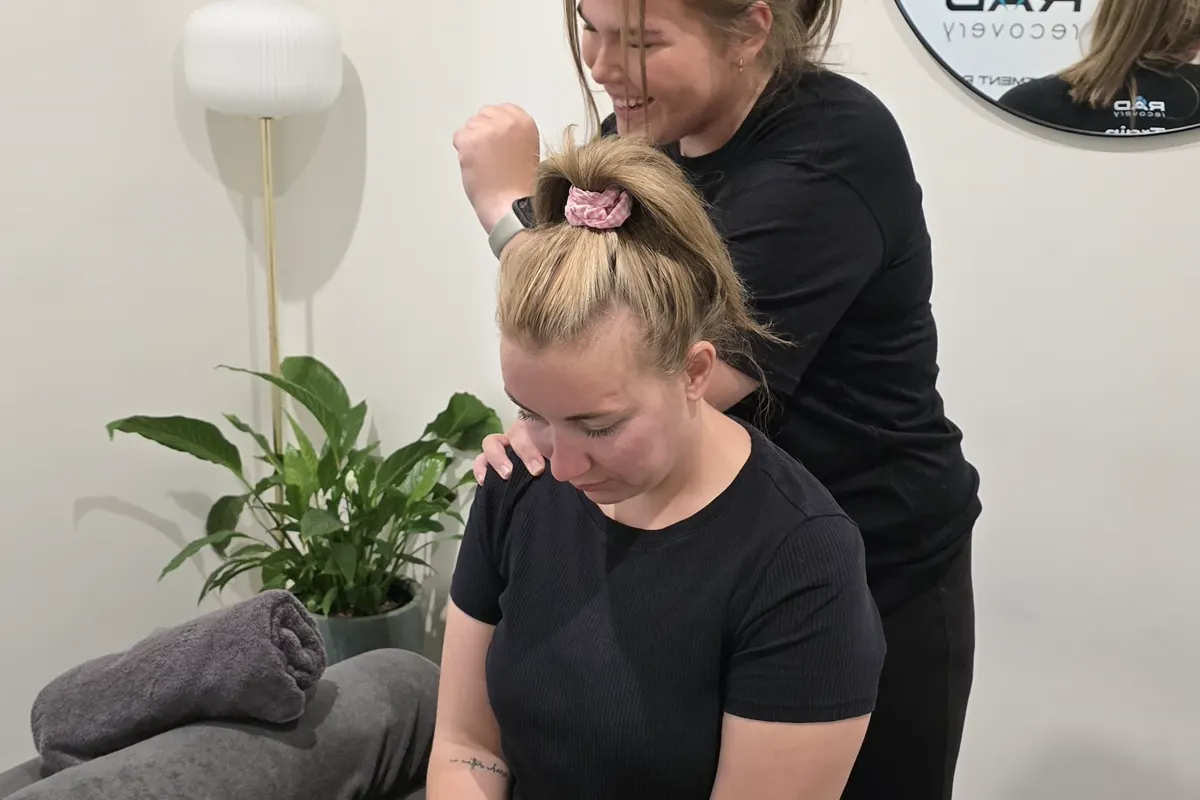
Targeted hands-on pressure may help manage tension in muscles surrounding the neck, shoulders and upper back.
Trigger Point Therapy
Focused pressure may be applied to sensitive muscular areas that contribute to local discomfort or referred pain.
Myofascial Release
Myofascial techniques aim to improve soft tissue mobility and reduce feelings of restriction.
Stretching and Mobility Techniques
Gentle stretching and movement exercises may help improve comfort and range of motion.
Your therapist will select appropriate techniques based on your presentation. Treatment should remain within your comfort level, and deeper pressure is not always better.
Five Ways Office Workers Can Manage Neck and Shoulder Tension
Alongside professional treatment, small changes to your daily routine may help manage recurring muscular discomfort.
1. Take Regular Movement Breaks
Avoid remaining in one position for extended periods. Stand, walk or gently move your shoulders and neck throughout the working day.
2. Review Your Desk Setup
Position your monitor at a comfortable viewing height, keep frequently used equipment within easy reach and support your arms where practical.
3. Try Gentle Mobility Exercises
Comfortable neck rotations, shoulder rolls and upper-back movements may help reduce stiffness. Avoid forcing movements that cause pain.
4. Manage Stress and Recovery
Regular physical activity, adequate sleep and relaxation strategies can help support overall musculoskeletal wellbeing.
5. Seek Assessment for Persistent Symptoms
If discomfort keeps returning, affects your daily activities or isn't improving, seek advice from an appropriate healthcare professional.
When Should You Seek Medical Attention?
Although muscular tension is common, certain symptoms require medical assessment rather than massage.
Seek urgent medical attention if neck or shoulder pain occurs with:
- Chest pain, breathlessness or sweating
- Sudden weakness, facial drooping or difficulty speaking
- Severe pain following significant trauma
- Fever accompanied by severe neck stiffness
- New or worsening weakness, numbness or difficulty walking
For persistent pain, unexplained symptoms or discomfort spreading into your arm, arrange a medical assessment before booking treatment.
Treatment options at RAD Recovery in Lilydale
Find out about remedial massage treatment in Lilydale, including options for clients travelling from Mooroolbark. Review 60-minute appointment pricing before booking.
FAQs
Is remedial massage good for neck tension?
Remedial massage may provide short-term relief from muscular neck tension and stiffness. Its suitability depends on the underlying cause of your symptoms.
How often should I get remedial massage?
There is no single recommended frequency. Your therapist can discuss whether follow-up appointments are appropriate based on your symptoms, response to treatment and goals.
Can remedial massage help shoulder pain from desk work?
It may help when muscular tension contributes to discomfort. Workplace adjustments, movement breaks and appropriate exercises may also be beneficial.
Do I need a referral?
No. RAD Recovery accepts direct bookings for remedial massage without a GP referral.