Myotherapy vs Remedial Massage: Which Treatment Is Right for You?
By RAD RecoveryPublished
The short answer
Myotherapy generally combines a broader movement assessment with hands-on treatment and exercise advice. Remedial massage places more emphasis on targeted soft tissue treatment. There is overlap, and neither approach is automatically better for everyone.
What Is Myotherapy?
Myotherapy is a clinical approach to assessing and managing musculoskeletal pain and movement restrictions.
Rather than focusing solely on where discomfort is occurring, a myotherapist considers contributing factors such as movement patterns, muscle function and physical activity.
A myotherapy appointment may include:
- Detailed assessment of pain and movement
- Trigger point and soft tissue therapy
- Dry needling where appropriate
- Myofascial release and cupping
- Stretching and muscle energy techniques
- Exercise recommendations and movement advice
Who might benefit from myotherapy?
Myotherapy may be suitable for people experiencing recurring muscle pain, movement restrictions, sports-related muscular complaints or discomfort that keeps returning.
For example, someone experiencing recurring neck and shoulder tension may benefit from an assessment that explores how their daily activities, movement habits and muscle function contribute to their symptoms.
What Is Remedial Massage?
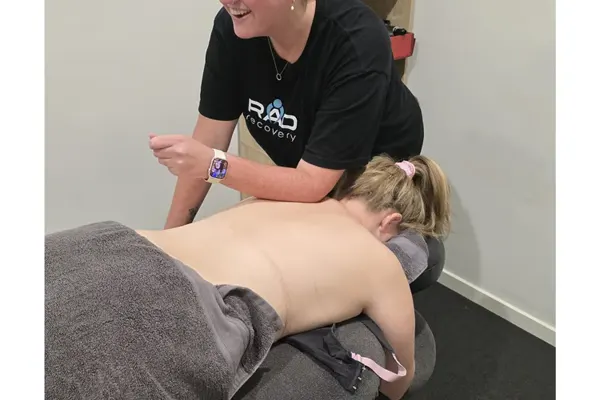
Remedial massage focuses on targeted soft tissue treatment to help manage muscular tension, soreness and stiffness.
Unlike a general relaxation massage, remedial massage is tailored to specific areas of discomfort and the individual's treatment goals.
Techniques may include:
- Targeted soft tissue massage
- Trigger point release
- Myofascial techniques
- Assisted stretching
- Cupping where appropriate
Who might benefit from remedial massage?
Remedial massage can be a suitable option for people experiencing muscle tightness, general aches, post-exercise soreness or stiffness associated with everyday activities.
For example, someone who spends long hours sitting at a desk may seek remedial massage to help manage tension through their shoulders, neck and upper back.
Myotherapy vs Remedial Massage: What's the Difference?
While both treatments can involve hands-on soft tissue therapy, the main distinction is their assessment approach and the range of techniques used.
Myotherapy typically involves a more comprehensive clinical assessment, particularly when symptoms are recurring, complex or affecting movement. Treatment may also include dry needling and tailored exercise advice.
Remedial massage generally places greater emphasis on hands-on soft tissue treatment to address muscular tension, soreness and restricted movement.
However, there is considerable overlap between the two treatments. Remedial massage therapists also assess their clients, and both therapies can be adapted to individual needs.
The most appropriate choice depends on your symptoms, goals, preferences and the therapist's assessment.
Which Treatment Should You Choose?
Choose Myotherapy If:
- You experience recurring muscular pain or stiffness.
- You want a detailed assessment of your movement.
- You have sports-related muscular complaints.
- You're interested in exercise advice alongside hands-on treatment.
- You want to explore factors that may be contributing to ongoing discomfort.
Choose Remedial Massage If:
- You're experiencing general muscular tension.
- Your muscles feel tight following exercise or physical work.
- You want targeted hands-on treatment.
- You're managing stiffness associated with prolonged sitting or standing.
- You're looking to incorporate massage into your recovery routine.
If you're unsure, the team at RAD Recovery can discuss your concerns and help you select an appropriate appointment.
What Happens During Your First Appointment?
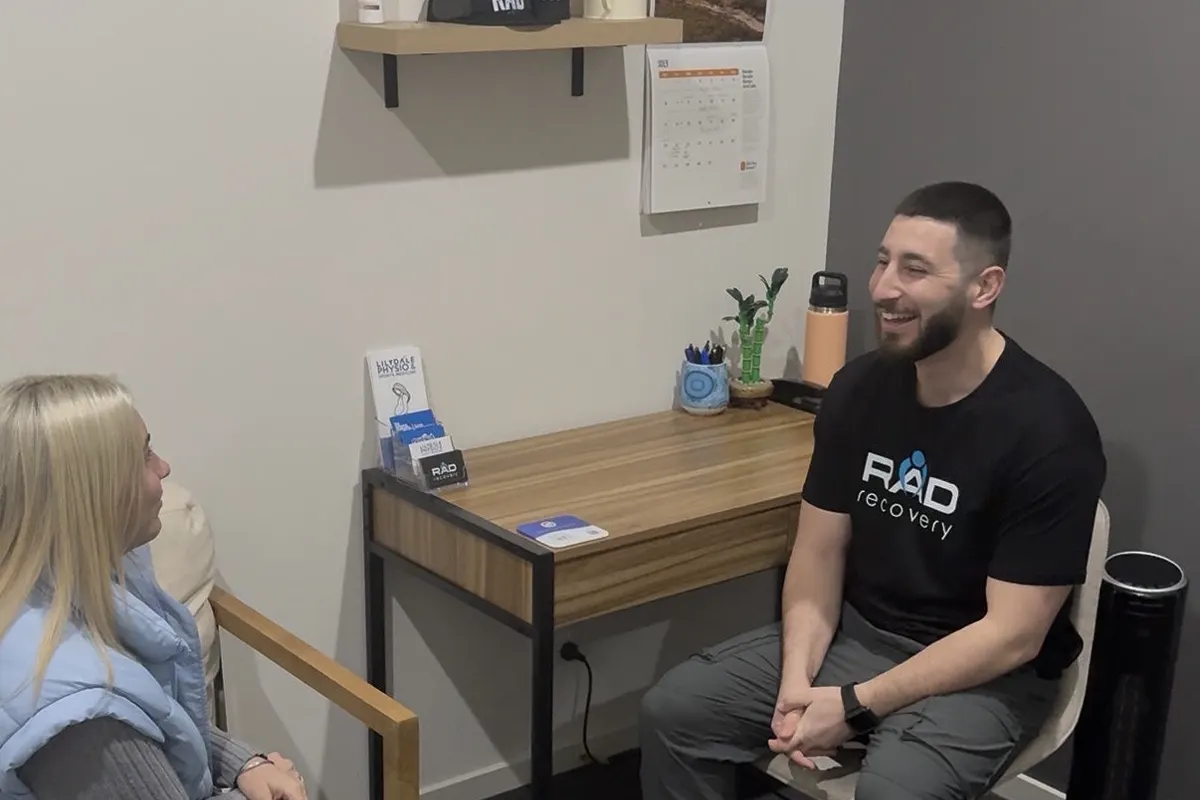
Your first appointment at RAD Recovery begins with a discussion about your symptoms, medical history, activities and treatment goals.
Depending on the service selected, your therapist may assess your movement, identify areas of muscular tension and recommend suitable treatment techniques.
Treatment is tailored to your comfort and individual circumstances. Your therapist may also provide practical advice to help you manage symptoms between appointments.
RAD Recovery offers 60-minute appointments for myotherapy, remedial massage and advanced remedial massage.
You can view treatment pricing before booking. Eligible private health fund rebates may be available through HICAPS, depending on your cover.
Treatment options at RAD Recovery in Lilydale
Compare our myotherapy assessment and treatment with remedial massage in Lilydale. Check appointment prices and health fund information before choosing a service.
FAQs
Is myotherapy better than remedial massage?
Neither treatment is automatically better. Myotherapy may be more appropriate when a detailed assessment and movement-focused approach are needed, while remedial massage may suit people seeking targeted treatment for muscle tension and soreness.
Can myotherapy help with sports-related muscle pain?
Myotherapy may help manage certain sports-related muscular complaints and movement restrictions. Your therapist can assess your symptoms and determine whether treatment or further medical evaluation is appropriate.
Do I need a referral?
No. You can book myotherapy or remedial massage directly with RAD Recovery without a GP referral.