What Is Myotherapy? Benefits, Techniques and What to Expect
By RAD RecoveryPublished
The short answer
Myotherapy assesses and manages musculoskeletal pain and movement restrictions through an individualised combination of hands-on treatment, movement advice and exercise. It is not a substitute for medical assessment when symptoms are concerning.
What Is Myotherapy?
Myotherapy is a form of physical therapy that focuses on muscles, soft tissues and their role in movement and musculoskeletal function.
A qualified myotherapist assesses your symptoms, movement patterns and physical activities to identify potential contributing factors to your discomfort.
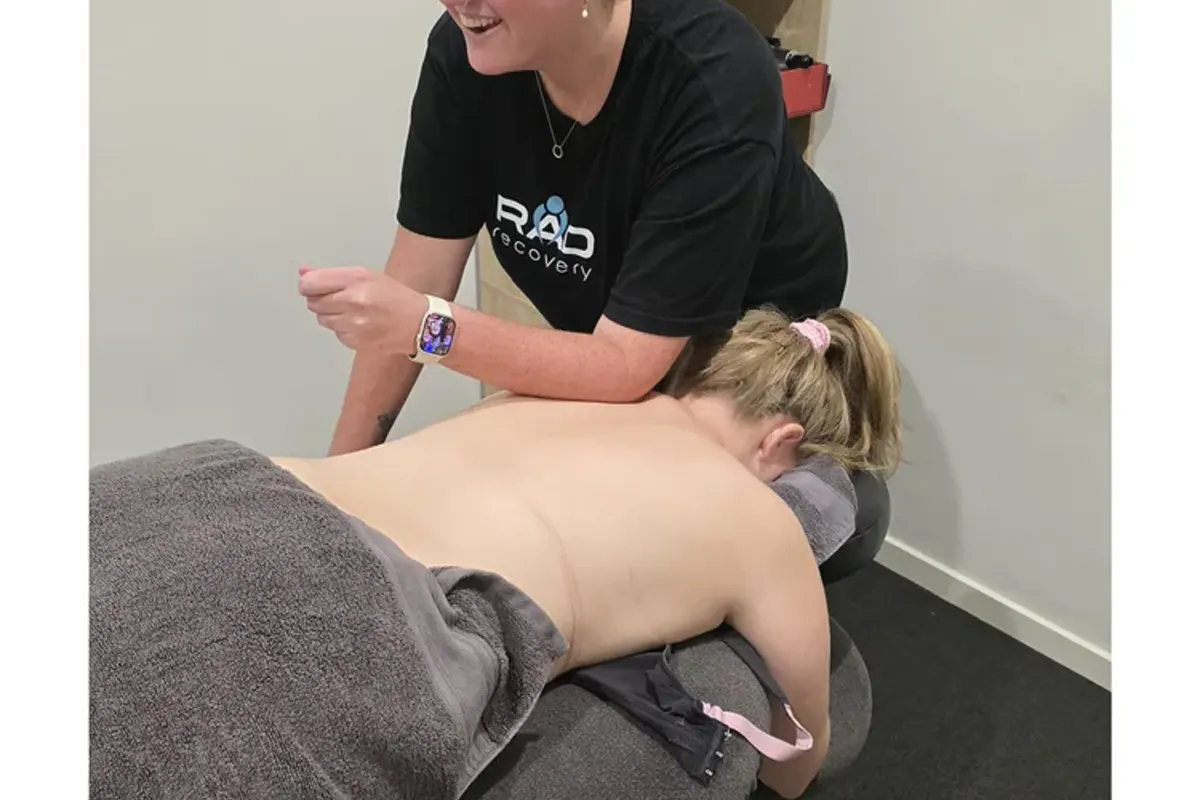
Unlike a general relaxation massage, myotherapy typically involves a clinical assessment followed by targeted treatment and, where appropriate, advice on exercises or self-management.
Treatment is personalised, meaning your therapist considers your individual symptoms, lifestyle and recovery goals.
What Are the Benefits of Myotherapy?
Myotherapy may offer several benefits depending on your symptoms and treatment needs.
1. Managing Muscle Pain and Tension
Myotherapy uses targeted hands-on techniques to help manage muscular discomfort, tightness and trigger points.
This may be useful for people experiencing tension associated with physical work, prolonged sitting or repetitive activities.
2. Improving Movement and Flexibility
Restricted movement can make everyday tasks and physical activities uncomfortable.
Myotherapy may help improve mobility by addressing soft tissue restrictions and incorporating appropriate stretching and movement exercises.
3. Supporting Sports Recovery
Athletes and physically active individuals may seek myotherapy to manage exercise-related muscular soreness, tightness and movement restrictions.
Treatment can be tailored to the physical demands of your sport and training routine.
4. Addressing Recurring Muscular Discomfort
When muscular discomfort keeps returning, a myotherapist may assess contributing factors such as repetitive movements, activity levels and muscle function.
This approach can help guide a treatment and self-management plan rather than focusing exclusively on temporary symptom relief.
5. Supporting Everyday Physical Wellbeing
Myotherapy isn't just for athletes.
People who work at desks, perform physically demanding jobs or experience muscular stiffness during everyday activities may also benefit from an individualised assessment.
Results vary between individuals, and some conditions require assessment or treatment by another healthcare professional.
What Techniques Are Used in Myotherapy?
Myotherapists use a range of techniques depending on your symptoms, assessment findings and treatment preferences.
Soft Tissue Therapy
Hands-on massage and targeted pressure techniques may be used to manage muscle tightness and discomfort.
Trigger Point Therapy
Trigger point treatment involves applying pressure to sensitive areas within muscles that may contribute to local or referred discomfort.
Dry Needling
Dry needling involves inserting fine, sterile needles into selected muscular areas. It may be used as part of a broader treatment plan for certain musculoskeletal complaints.
Dry needling is not suitable for everyone, and your therapist should explain the potential benefits, risks and alternatives before proceeding.
Myofascial Release
Myofascial techniques focus on soft tissue restrictions that may contribute to discomfort or limited movement.
Stretching and Exercise Advice
Your myotherapist may recommend stretches, strengthening exercises or movement modifications to support your treatment goals between appointments.
Not every technique is necessary for every patient. Your treatment should be based on your individual assessment.
What Conditions Can a Myotherapist Help With?
People commonly seek myotherapy for concerns such as:
- Neck and shoulder tension
- Muscular back discomfort
- Sports-related muscle soreness
- Muscle tightness and stiffness
- Restricted range of movement
- Repetitive strain-related muscular complaints
- Certain tension-related headaches
- Muscular discomfort associated with physical work
A myotherapist can assess whether treatment is appropriate for your presentation.
Persistent, severe or unexplained symptoms may require medical assessment, particularly when accompanied by weakness, numbness, fever or other concerning symptoms.
What to Expect at Your First Myotherapy Appointment
If you've never visited a myotherapist before, knowing what to expect can make your first appointment more comfortable.
Step 1: Initial Consultation
Your therapist will discuss your symptoms, medical history, daily activities and treatment goals.
Step 2: Physical Assessment
Depending on your concerns, your myotherapist may assess your posture, movement, range of motion and muscle function.
Step 3: Personalised Treatment
Your therapist will explain the proposed treatment and use appropriate hands-on techniques based on your assessment and preferences.
Step 4: Aftercare and Recovery Advice
You may receive advice about movement, exercise, activity modification or other self-management strategies.
Some people experience temporary soreness following treatment. Your therapist can explain what to expect and when to seek further advice.
Myotherapy vs Remedial Massage: What's the Difference?
Both myotherapy and remedial massage use hands-on techniques to help manage muscular discomfort.
Myotherapy typically places greater emphasis on clinical assessment, movement evaluation and combining manual therapy with rehabilitation strategies.
Remedial massage often focuses more directly on soft tissue treatment, although assessment and treatment techniques can overlap.
Treatment options at RAD Recovery in Lilydale
Myotherapy appointments combine assessment with treatment tailored to your symptoms. Explore our myotherapy services in Lilydale and current treatment pricing. You can also meet the RAD Recovery team.
FAQs
Do I need a referral for myotherapy?
No GP referral is needed to book at RAD Recovery. Your therapist will assess whether treatment is appropriate.
Does myotherapy include dry needling?
It may, when appropriate and with your informed consent. Not every appointment requires dry needling, and alternatives can be discussed.